Charles Seabrook, the author of Cumberland Island: Strong Women,
Wild Horses, and who, for many years, wrote the weekly column, “Wild Georgia” for the Atlanta Journal Constitution, selected his “35 Natural Wonders in Georgia You Must See Before You Die.” Here are Charles’ 35 choices in bold face type, along with his brief comments in italic with links to ways to find out more about them.
Okefenokee Swamp. Word famous wetland.
Marshes of Glynn. Far-as-the-eye-can-see coastal salt marshes that inspired poet Sydney Lanier to write his famous poem.
Cumberland Island National Seashore. Former President Jimmy Carter called it one of his most famous places on Earth.
Ossabaw Island. Unspoiled barrier isle; amazing natural beauty.
Cabretta Beach, Sapelo Island. One of Atlantic coast’s most beautiful undeveloped beaches.
Woody Pond, Harris Neck National Wildlife Refuge. In spring, thousands of egrets, herons and endangered wood storks form spectacular nesting colonies.
Ebenezer Creek. National Natural Landmark; harbors 1,000-year-old bald cypress trees with huge buttresses eight-to-twelve feet wide.
Altamaha River. Lower Altamaha called “Georgia’s Amazon” for the lush, jungle-like growth along its banks; river’s entire 137 miles unfettered by dams.
Broxton Rocks Ecological Preserve. Rugged sandstone rock outcrop deep in South Georgia; sculpted over centuries by water into fissures and shallow ravines that are now havens for many rare plants.
Ohoopee Dunes State Natural Area. Sometimes called “Georgia’s Desert” because of its dry, sandy soil and scrubby vegetation. Biologists call it an “enchanting environment.”
Wade Tract Preserve. Privately-owned 200-acre swath of old-growth long leaf pine and wire grass; one of the few remaining examples of great long leaf forest that once covered Coastal Plains region.
Providence Canyon State Park. Eroded land that transformed into a place of great beauty; sometimes called Georgia’s “Little Grand Canyon.”
Doe Run Pitcher Plant Bog Natural Area. Lush growths of carnivorous pitcher plants in spring.
Pine Mountain. Spectacular view from Dowdell’s Knob of valley below. President Franklin D. Roosevelt often came here to picnic and meditate.
Warm Springs. Naturally warm, soothing water bubbling from Earth; FDR came here for treatment of polio.
Oaky Woods Wildlife Management Area. See for yourself why conservationists are intent on saving from development this place for roaming black bears and rare wild-flower habitats.
- Read more about Oaky Woods and how you can help save over 19,000 acres of wilderness from development. Sign up for the Oaky Woods newsletter
George L. Smith State Park. Bald cypresses growing in pond are magnificent in fall when they take on their orangish-bronze tints.
Sprewell Bluff State Park. Little known gem on Flint River, which is one of South’s most beautiful and interesting streams; 3-mile trail offers superb views of river and rocky cliffs.
Palisades Unit, Chattahoochee River National Recreation Area. Spectacular greenspace in midst of sprawling bustling metro Atlanta.
Graves Mountain. Rockhounds from all over the world come here for amazing array of rocks and minerals.
Stone Mountain / Arabia-Davidson Mountain / Panola Mountain. Huge geological wonders that sport some of Georgia’s most colorful arrays of wildflowers in spring and fall.
Tallulah Gorge. Hard granite walls fall perpendicular to land above, forming steep cliffs.
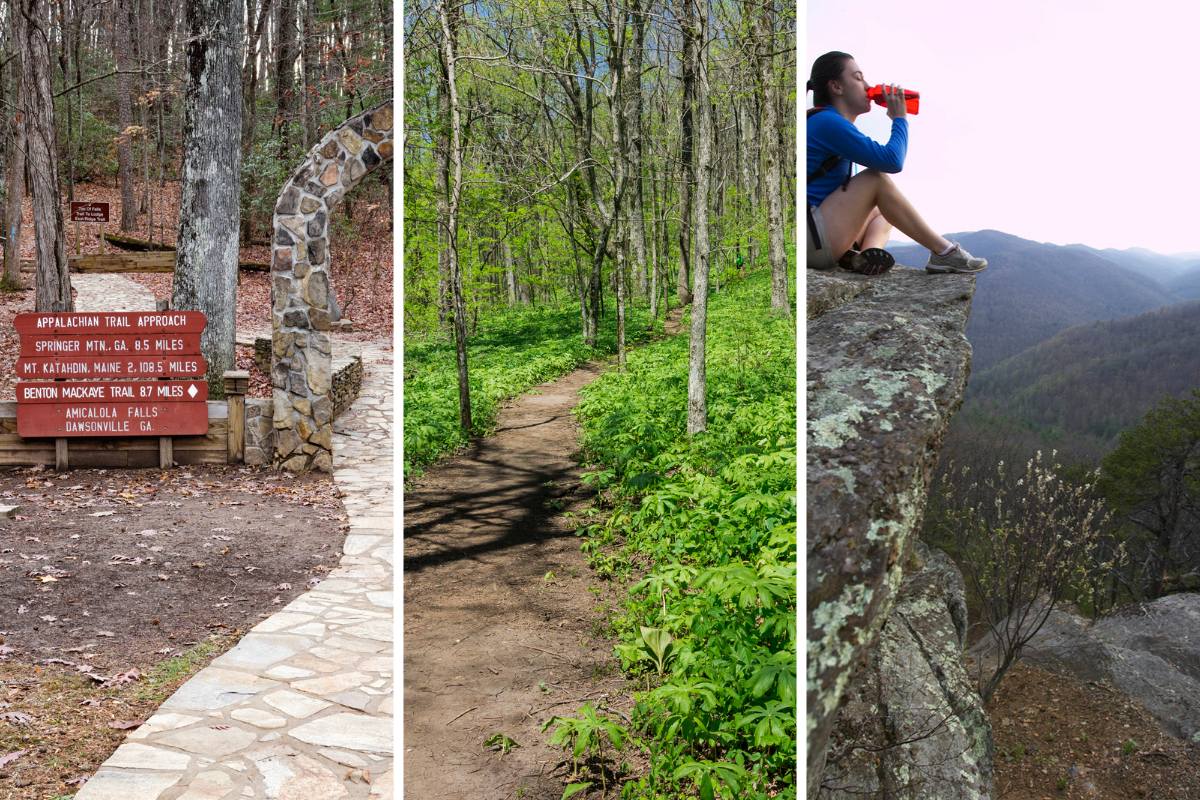
Amicalola Falls State Park. Falls plunge 729 feet in seven cascades; highest waterfall east of Mississippi River.
Richard Russell Scenic Highway. 14-mile-long road is not natural, but it winds through some of the most splendid mountain scenery in the Southeast. Along the way are trailheads to waterfalls and scenic spots.
Cloudland Canyon State Park. One of Georgia’s most scenic state parks. Rugged geology and beautiful vistas.
Brasstown Bald. At 4,784 feet above sea level, it’s Georgia’s highest mountain; four states can be seen from top.
Rabun Bald (Chattahoochee National Forest), rivals Brasstown in elevation and spectacular views.
The Pocket, Pigeon Mountain. Lush growths of colorful spring and fall wildflowers in a beautiful setting.
Rocktown, Pigeon Mountain. Stunning, house-sized boulders make it a rival of its famous cousin, Rock City near Chattanooga.
McLemore Cove. One of the Southeast’s most picturesque mountain valleys.
Chattooga River. Untamed and unimpeded; wild and rugged.
Sosebee Cove. High elevation, north-facing cove forest; rich diversity of shade tolerant trees, shrubs and wildflowers.
Cooper Creek Scenic Area (Chattahoochee National Forest). Harbors large hemlocks and white pines, some with bases as big as four feet in diameter.
Raven Cliffs Falls. Splendid Waterfalls; trail to them almost equally stunning.
Anna Ruby Falls. A must-see for visitors.