Brown's Guide to Georgia

Search


GEORGIA RIVERS, STREAMS AND LAKES

Georgia rivers paddling guides, including interactive maps, plus essays, ideas and opinions about Georgia rivers and Georgia’s 14 major watersheds.

Archive for September, 2008

Soque River Exploration

Monday, September 22nd, 2008

By James Sullivan soqueriverrgb400.jpg

The Soque River. Author and outdoorsman James Sullivan explores the headwaters of  the Soque River in Habersham Couny’s Tray Mountain Wilderness on rugged four-wheel-drive Forest Service roads, then returns to civilization to eat and shop at locations like the Mark of the Potter in Clarkesville, pictured here.

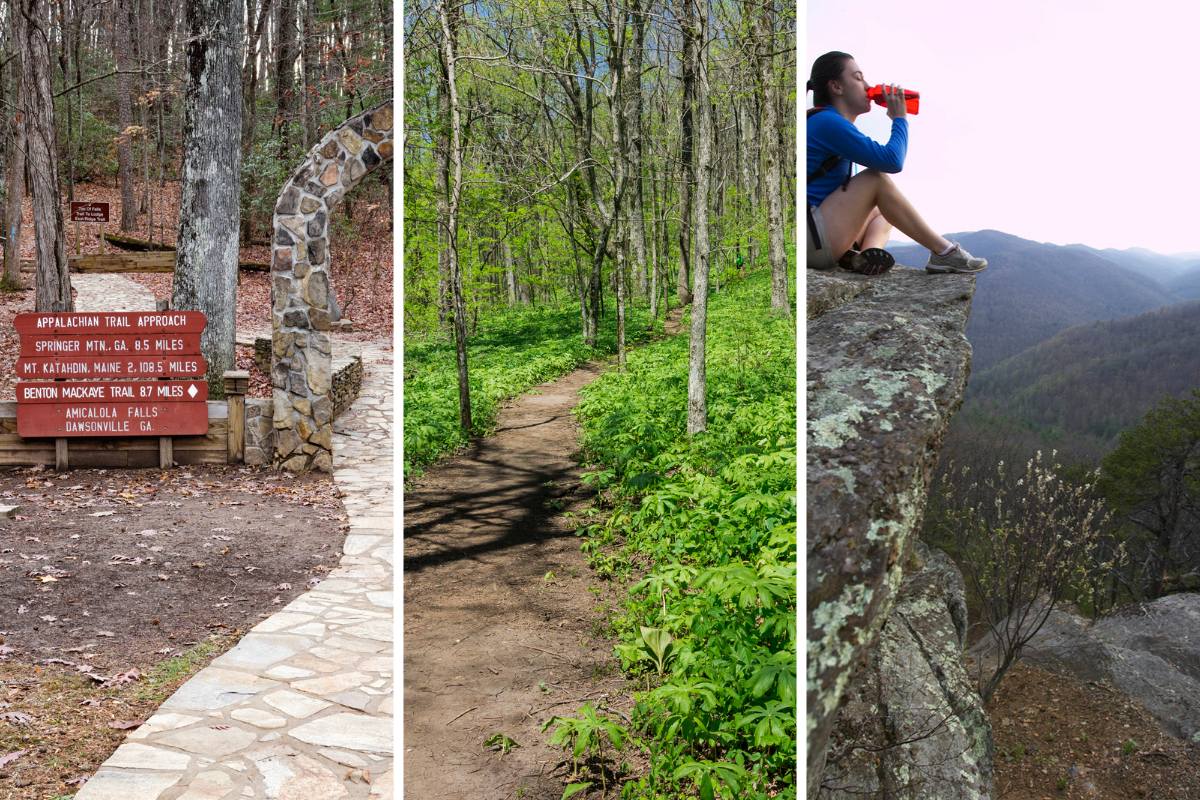
Sitting on the rock outcrop along the trail to the Tray Mountain Appalachian Trail shelter, a spectacular view of a steep, wild watershed unfolds to the east. This is the headwaters of the left fork of the Soque River, which is a 29-mile long major tributary of the Chattahoochee River in the headwaters area. (more…)

How the Chattahoochee Got Its Name

Monday, September 15th, 2008

By Billy Winn

Billy Winn is the former editorial page editor of the Columbus Ledger Enquirer billywinnrgb250.jpgand is the author of The Old Beloved Path: Daily Life Among the Indians of the Chattahoochee River Valley. Illustration by Garry Pound.

The first mention that I know of in literature about the river occurs in Indian agent Benjamin Hawkins’s travel log of the Chattahoochee River and the Creek country in the year 1798, 1799. And basically, what Hawkins says in there is that Chattahoochee was a town north of us here at that time, which he says is the founding town on this part of the river. And he says that it got its name from the Creek ‘Chatto,’ a stone, and ‘hoche,’ marked or flowered. There’s no way to spell it exactly because the Creeks didn’t have a written language at the time, but basically it would be Chato oochee. (more…)

Locking Through

Monday, September 1st, 2008

Editors note: When Sherri and I were researching and writing the Riverkeeper’s Guide to the Chattahoochee and the Flint River Guidebook, we took numerous acfrgb250.jpgtrips up and down both rivers, often “locking through” at the Walter F. George Dam, the George W. Andrews Dam and the Jim Woodruff Dam. It’s a river experience we highly recommend to anyone really interested in experiencing and understanding Southern Rivers. Here is our account of our first experience locking through the Woodruff Dam. See the illlustration at the end of the locking through process for a visual image of what it’s like to make the transition from lake to river. The third person in the boat is Rio, our literary companion on our travels up and down the Flint River and an important character in the Flint Guidebook. FB. Illustrations by Roel Wielinga.

One of the most interesting and anticipated experiences traveling up or down the lower Chattahoochee is that of going through the locks. Three dams on the Chattahoochee River, Walter F. George, George W. Andrews and Jim Woodruff, have navigation locks that allow recreational as well as commercial boats to travel both upstream and downstream. The locks are necessary to transfer boats from one water level to another.  “Locking through” can cause anxiety the first time you do it, but it is relatively easy if you are prepared and follow the proper procedure. (more…)

Chattahoochee Dams

Monday, September 1st, 2008

Sixteen dams harness the power of the Chattahoochee as it rolls towards Apalachicola Bay–nine of those in the Columbus area alone. If you are navigating damrgb250-copy.jpgdown the river, you must portage around the first thirteen dams and lock through the last three. Once through the last lock, the Chattahoochee turns into the Apalachicola and runs free for 107 miles to the Bay. To view all of the dams, along with a description of each one, on a Chattahoochee River corridor map, click here. Brief descriptions of each of the dams are included below and more detailed descriptions, along with photos of all of the dams, are included on the map. Illustration by Roel Wielinga. (more…)